
Does strength training actually help with PCOS, and is lifting weights alone enough to fix the insulin resistance that comes with it? Honestly, no, not on its own, and you deserve a straight answer rather than another “lift weights for your hormones” post. There’s also something bigger that most articles on this topic haven’t caught up to: PCOS has a new name. As of May 2026, it’s officially PMOS, Polyendocrine Metabolic Ovarian Syndrome, following a global medical consensus. Nothing about your diagnosis changes, but the name finally reflects what’s actually going on, which is more than the ovaries.
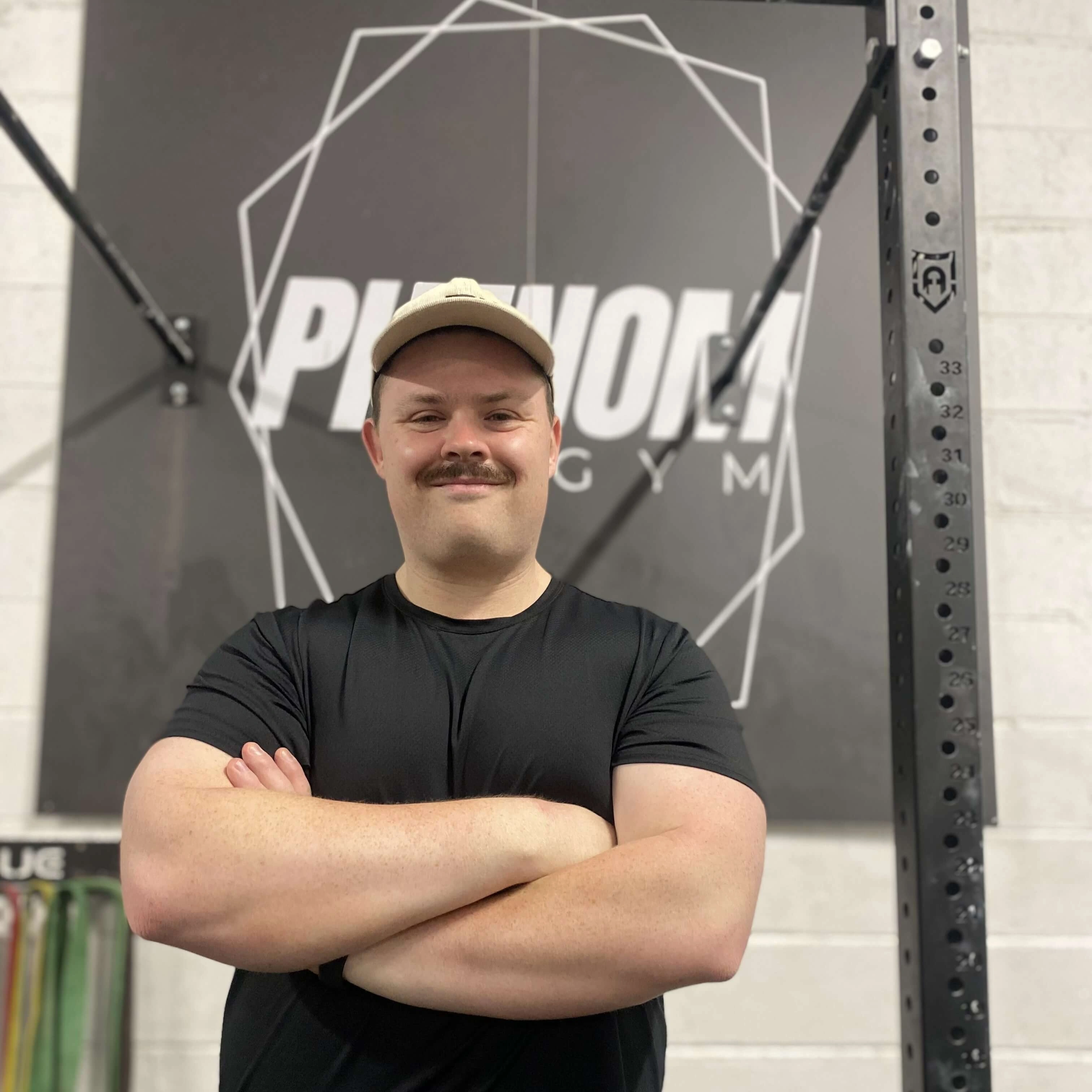
I’m Charlie Johns, a personal trainer based in Cork. I coach a good number of women managing PCOS or PMOS, usually desk workers and parents told to “just lose weight” with no explanation of the metabolic piece underneath. I’m a trainer, not a doctor, so where this calls for a GP’s input rather than mine, I’ll say so plainly.
The short answer
- ✓ Strength training alone isn't a proven fix for PCOS hormones. A 2025 analysis found it had the weakest, non-significant effect on insulin resistance and testosterone of the exercise types studied.
- ✓ Pairing it with regular cardio is better supported. More vigorous aerobic sessions do more for insulin resistance and weight than lifting alone.
- ✓ Strength training still matters. It builds long-term metabolic health and muscle, and it's the type of training most people actually stick with.
- ✓ PCOS was renamed PMOS in May 2026. Same condition, same diagnosis, a name that finally reflects the metabolic reality, not just the ovaries.
- ✓ Check with your GP first if you're trying to conceive, managing diagnosed insulin resistance or diabetes with medication, or new to exercise.
PCOS has a new name: what PMOS actually means
If you’ve had PCOS for years, the name never quite fit. “Polycystic ovary syndrome” suggests ovarian cysts, but most women with the condition don’t have cysts at all, just small, immature follicles. Plenty of women were wrongly told they couldn’t have PCOS because their scan didn’t match what the name implies.
In May 2026, that changed. Following a global medical consensus published in The Lancet, led by Professor Helena Teede and the International PCOS and Androgen Excess Society, the condition was officially renamed Polyendocrine Metabolic Ovarian Syndrome, or PMOS, after 14 years of work and input from thousands of patients and clinicians. “Polyendocrine” reflects that several hormones are involved, not just the ovaries. “Metabolic” reflects that insulin resistance, the piece that gets the least airtime, is central for most women who have it.
Nothing practical changes. Doctors still diagnose using the Rotterdam criteria, and around 60% of women are diagnosed through symptoms alone, without a scan. What does shift is that the name now points toward the real problem: this isn’t only a reproductive condition, it’s a metabolic one, and that changes what “helpful exercise” actually looks like.
What’s going on with insulin resistance
Most women with PCOS or PMOS have some degree of insulin resistance, whether or not they’ve been formally told so. Your cells become less responsive to insulin, so your body produces more of it, and that extra insulin pushes your ovaries to produce more androgens, the hormones behind the excess hair, acne and irregular cycles that usually bring women to a GP. It’s a loop: insulin resistance drives the symptoms that get diagnosed, while the metabolic root often goes unaddressed. Left untreated, it’s linked to a higher long-term risk of type 2 diabetes and heart disease, which is why the HSE’s overview of PCOS frames lifestyle changes as managing long-term health, not just symptoms or fertility.
Where I’ll be straight with you: lifting alone isn’t the whole answer
Here’s the bit a lot of fitness content glosses over, because “lift weights to fix your hormones” is a tidier story than the real one. A 2025 network meta-analysis published in Healthcare, covering 19 randomised trials, found resistance training alone came out as the least effective option for insulin resistance and testosterone, and neither effect was statistically significant. The researchers’ own explanation is sensible: building muscle is valuable, but it doesn’t appear enough on its own to shift insulin sensitivity without an aerobic component too.
That doesn’t make strength training pointless. The specific claim “lift weights and your hormones will sort themselves out” isn’t well supported, and you’re better off knowing that now than after months of wondering why your bloodwork hasn’t budged. The muscle you build still matters for your metabolism and long-term strength, the same way it does for any woman managing hormonal change. It’s just not, alone, the lever that moves insulin resistance the most.
What the evidence actually supports
If lifting alone isn’t the full picture, what is? The clearest answer from the current research is a combination, not a single hero exercise.
A 2025 review in PeerJ, covering 29 trials and over 1,500 women with PCOS, found continuous aerobic exercise produced meaningfully greater weight loss and a reduced waist-hip ratio than no structured exercise. Other research points to vigorous aerobic work and intervals as stronger options for insulin sensitivity specifically. None of that cancels out strength training, it just means cardio does more of the metabolic heavy lifting than most people assume, while strength training builds the muscle and durability that cardio alone won’t.
Harvard Health’s guidance on exercise for PCOS lands on the same combination most major health bodies recommend: at least 150 minutes of moderate aerobic activity a week, plus resistance training on two separate days. That’s the pairing I’d coach you toward, not because one exercise type is magic, but because doing both covers more ground than either alone. If starting from scratch feels daunting, my guide to overcoming gym anxiety as a beginner covers those nerves.
A sensible starting plan
You don’t need a complicated split to get the benefit of either side of this. A simple full-body strength session, done two or three times a week, paired with some brisk walking, cycling or an interval session on the other days, covers both bases without overwhelming your week.
| Exercise | Sets x reps | Coaching note |
|---|---|---|
| Goblet squat | 3 x 8 to 10 | Hold one dumbbell at your chest. Sit back and down, keep your chest tall. |
| Seated row or band row | 3 x 10 to 12 | Squeeze your shoulder blades together at the end of each pull. |
| Romanian deadlift | 3 x 8 to 10 | Push your hips back with soft knees. Worth learning the hip hinge properly first. |
| Dumbbell shoulder press | 3 x 8 to 10 | Seated or standing. Brace your stomach rather than leaning back. |
| Brisk walk or bike intervals | 20 to 30 minutes | On your non-lifting days. A faster pace or short intervals does more for insulin sensitivity than a gentle stroll. |
Two strength sessions plus two or three cardio sessions a week is a realistic starting point for most people. If you’re not sure how that fits around your week and experience level, how often you should go to the gym breaks frequency down further, and my guide to building bone density with strength training covers the muscle-and-bone side of this in more depth.
How heavy, how often
For strength work, pick a weight where the last couple of reps of each set feel genuinely hard while your technique stays clean, the same advice I’d give anyone starting out. As sessions get easier, add a little weight or an extra rep rather than jumping up in big steps.
For the cardio side, don’t default to the gentlest option out of habit. The evidence leans toward more vigorous sessions, brisk rather than leisurely, doing more for insulin sensitivity specifically. You don’t need to go all-out every time, but a session that leaves you genuinely out of breath a few times a week earns its place. Progress tends to be steady rather than dramatic, and my guide to how long it takes to see results from personal training sets realistic expectations.
When to check with your GP first
The plan above suits most women starting or returning to training with PCOS or PMOS. Speak to your GP first if any of these apply to you:
None of this rules training out. It usually just means starting with your GP’s input and a coach who’s happy to build around what they tell you.
The bigger picture
PCOS, now PMOS, gets simplified a lot online, usually down to “lose weight” or “lift weights,” when the reality underneath, mostly insulin resistance, is more specific than either slogan suggests. Strength training alone hasn’t shown a strong, proven effect on the hormonal side, but combined with regular aerobic activity, it’s part of one of the better-supported approaches available. You don’t need to overhaul your life, just a consistent mix of both, built around a plan that fits your week.
If you’d like help building that plan, I’m a personal trainer based in Cork, coaching at Phenom Gym in Ballintemple and Resolution Fitness in Douglas. Most women in this position do well on a PT membership, which pairs coached strength sessions with programming that adapts as you go. If you’re outside Cork, online coaching follows the same approach remotely. My guides on what a personal trainer costs in Cork and how to choose one will help if you’re still comparing options.
When you’re ready, book your free 60-minute personal training session and consultation. We’ll talk through what’s actually going on, what your GP has said if you’ve seen one, and build a plan that covers both the strength and the cardio side properly. No pressure, no sales pitch.
Frequently asked questions
Does strength training help PCOS (PMOS)?
It helps, but not in the way most fitness content claims. A 2025 network meta-analysis found resistance training on its own was the least effective exercise type for improving insulin resistance and testosterone in women with PCOS, and neither change was statistically significant. Strength training still builds muscle, supports long-term metabolic health and tends to be the easiest type of training to stick with, which matters. It just isn't a standalone fix for the hormonal side, and pairing it with regular cardio is better supported by the evidence than lifting alone.
What is PMOS, and is it the same as PCOS?
PMOS stands for Polyendocrine Metabolic Ovarian Syndrome. It's the new name for PCOS, agreed by international medical consensus and published in The Lancet in May 2026, after 14 years of work involving thousands of patients and clinicians. It's the same condition under a more accurate name: the old label suggested ovarian cysts, when the condition actually involves multiple hormones and a metabolic component, especially insulin resistance. Diagnosis hasn't changed. Doctors still use the Rotterdam criteria, and the switch to PMOS is expected to roll out gradually over the next few years.
What's the best exercise for PCOS weight loss and insulin resistance?
A mix, not one single type. A 2025 PeerJ review of 29 trials found continuous aerobic exercise and, in more limited evidence, Tai Chi, outperformed other approaches for weight and waist measurements, while separate research points to vigorous aerobic work and HIIT as the stronger options for insulin sensitivity specifically. Strength training adds muscle and durability on top of that. Most guidance, including Harvard Health's, lands on the same combination: at least 150 minutes of moderate aerobic activity a week plus resistance training twice a week.
Is it safe to start strength training with PCOS if I've never lifted before?
Yes, for most people. PCOS and PMOS don't rule out strength training, and the usual beginner approach applies: start with manageable weights, learn a handful of exercises properly, and build up gradually. If you're trying to conceive, managing diagnosed insulin resistance or type 2 diabetes with medication, or unsure how exercise fits around a treatment plan, check with your GP first.
How often should I exercise if I have PCOS or PMOS?
Two to three strength sessions a week, alongside at least 150 minutes of moderate aerobic activity, such as brisk walking, cycling or swimming, is a sensible, well-supported starting point. That matches general public health guidance for adults and gives the metabolic side of the condition, not just muscle, something to respond to.
Should I do cardio or weights for PCOS?
Both, if you can manage it. The current evidence doesn't support picking one over the other. Cardio, particularly more vigorous sessions, appears to do more for insulin resistance and weight on its own, while strength training builds the muscle and long-term resilience that cardio alone doesn't. Combining them, rather than relying on either in isolation, is what the research actually supports.