
Does strength training actually help with menopause, or is that just something that gets repeated on Instagram? The short answer is yes, more than most of the exercise advice that gets handed out. Muscle mass and bone density both start dropping faster around this stage of life, and lifting weights is one of the few things that pushes back on both directly. There’s also decent trial evidence it eases hot flushes along the way, which isn’t something you can say about most fitness trends.
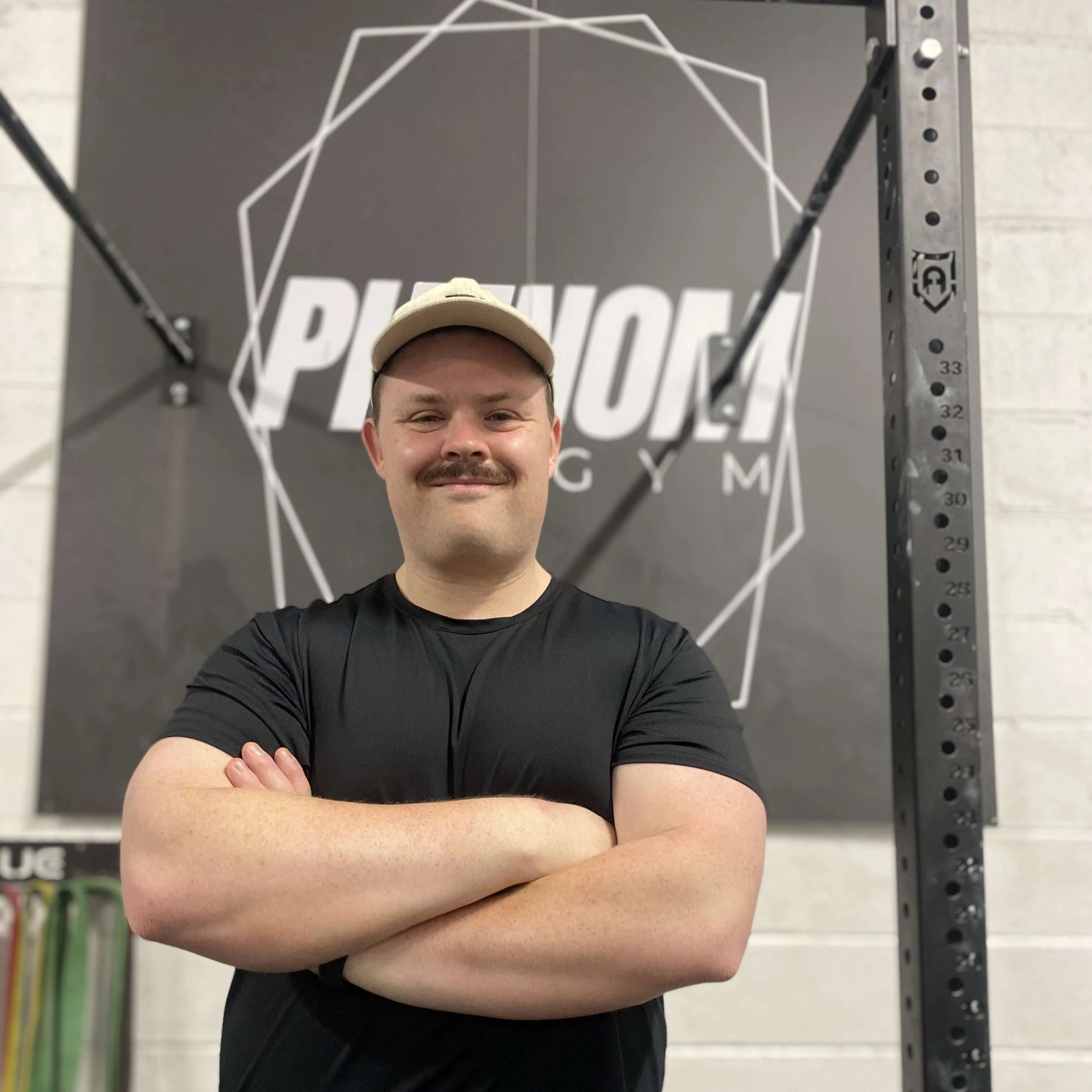
I’m Charlie Johns, a personal trainer based in Cork. A good number of the women I coach are perimenopausal or post-menopausal: desk workers and parents who’ve noticed their body doing things it never used to, and who’ve usually been told to “just do more cardio” or “eat a bit less” without anyone explaining what’s actually changed underneath. I’m a trainer, not a doctor, so where your GP’s input matters more than mine, I’ll say so.
The short answer
- ✓ Lift two to three times a week. Full-body sessions covering your legs, back, chest and shoulders work best.
- ✓ Train at a weight that challenges you. Light dumbbells for endless reps don't do much for muscle or bone. The last couple of reps of each set should feel like real effort.
- ✓ It's not only about muscle and bone. A randomised trial found resistance training cut hot flush frequency by over 40%, on top of the usual strength benefits.
- ✓ Pair it with protein and some daily movement. Lifting does most of the work, but food and walking still matter.
- ✓ Check with your GP first if you have a diagnosed bone or joint condition, you're on HRT and unsure how exercise fits, or you're returning to training after years away.
What’s actually changing in your body
Perimenopause and menopause bring a long list of possible symptoms, from hot flushes and disturbed sleep to mood changes, joint aches and brain fog, as the HSE’s overview sets out. Underneath the symptoms, something else is happening that gets far less attention: your body composition is shifting.
Research from the Study of Women’s Health Across the Nation (SWAN), one of the largest studies to track women through this transition, found that roughly two years before a woman’s final period, the rate of fat gain doubles and lean muscle mass starts to decline. Both trends continue for about two years afterwards before levelling off. Because fat is rising while muscle is falling, the number on the scale often barely moves, which is exactly why so many women are told “your weight’s fine” while feeling like their body has changed underneath them. It has. The scale just isn’t built to show it.
This matters beyond appearance. Muscle is what keeps your metabolism ticking over, protects your joints, and, together with bone, is one of the two tissues you can genuinely influence through training at this stage of life.
Why lifting weights pushes back
Walking and general activity are worth keeping up, but they don’t ask much of your muscles. Resistance training is the one form of exercise that directly signals your body to hold onto, or build, muscle tissue, which is precisely what’s under threat during this transition. It’s the same principle behind training for stronger bones as you get older: load applied sensibly tells your body to adapt rather than decline.
There’s also more specific evidence than most people expect. A randomised controlled trial published in Maturitas put 58 postmenopausal women through 15 weeks of resistance training, three sessions a week. The exercise group’s hot flushes dropped by 43.6%, against a 2% change in the control group. That’s not a marginal effect, and it’s a symptom most women assume they can only manage through medication or waiting it out.
The HSE also points to exercise raising endorphins, which helps with the mood changes many women notice during this time, alongside its recommendation to combine weight-bearing activity with resistance training for bone health.
Here’s where a lot of general advice steers people wrong. Stanford’s Lifestyle Medicine programme makes the point plainly: this is a stage of life to prioritise lifting genuinely challenging weights, not to retreat into gentle, low-effort exercise. Endurance work has its place, but on its own it doesn’t ask enough of your muscles to protect them.
A simple starting plan
You don’t need a complicated programme to get started, just consistency and a weight that’s genuinely working you.
| Exercise | Sets x reps | Coaching note |
|---|---|---|
| Goblet squat | 3 x 8 to 10 | Hold one dumbbell at your chest. Sit back and down, keep your chest tall. |
| Seated row or band row | 3 x 10 to 12 | Squeeze your shoulder blades together at the end of each pull. |
| Romanian deadlift | 3 x 8 to 10 | Push your hips back with soft knees. Worth learning the hip hinge properly first. |
| Dumbbell shoulder press | 3 x 8 to 10 | Seated or standing. Brace your stomach rather than leaning back. |
| Farmer's carry | 3 x 30 seconds | Pick up a genuinely heavy pair of dumbbells and walk tall. |
Two to three sessions a week, with a rest day between them, is a sensible starting frequency, in line with general strength training guidelines. Add some brisk walking on the days in between if you can. If it’s been a long while since you set foot in a gym, my guide to overcoming gym anxiety as a beginner covers the nerves that come with starting again, and how often you should go to the gym breaks frequency down further by experience level.
How heavy, how often
Pick a weight where the last two reps of each set feel genuinely hard, with your technique staying clean throughout. Research on rep ranges, including work by exercise scientist Brad Schoenfeld, has found that lifting near failure across a handful of sets builds meaningfully more strength than doing endless light reps. That doesn’t mean maxing out on your first week back. It means choosing a weight that actually challenges you rather than one that feels safe because it’s easy.
As sessions get easier, add a small amount of weight or an extra rep rather than jumping up in big steps. Progress here tends to be steady rather than dramatic, in the same way it is for any adult starting or returning to strength training. My guide to how long it takes to see results from personal training sets realistic expectations for the first few months, so you’re not comparing yourself to a 12-week transformation ad.
When to check with your GP first
The plan above suits most healthy women starting or returning to strength training. Speak to your GP first if any of these apply to you:
- → You're on HRT and you're not sure how exercise fits alongside it.
- → You have a diagnosed bone health issue such as osteopenia or osteoporosis. My guide to building bone density with strength training goes into that in more depth.
- → You have joint pain that's put you off training before. Strength training for arthritis covers a gentler way in.
- → You haven't exercised in years and have any underlying heart or health condition.
- → Your symptoms feel severe enough that exercise alone clearly isn't managing them. That's a conversation for your GP, not your trainer.
None of this rules lifting out. It usually just means starting with your GP’s sign-off and a coach who’s happy to build around what they tell you.
The bigger picture
Menopause isn’t something to simply get through until the symptoms settle. Strength training is one of the few tools with real evidence behind it on several fronts at once: muscle, bone, hot flushes and mood, not just one of them. You don’t need to overhaul your whole life to get the benefit, just two or three sensible sessions a week and a weight that actually challenges you.
If you’d like help building a plan around your own stage of this, I’m a personal trainer based in Cork, coaching at Phenom Gym in Ballintemple and Resolution Fitness in Douglas. Most women in this position do well on a 12-week structured plan, which pairs coached sessions with programming that adapts as you go. If you’re outside Cork, online coaching follows the same approach remotely. Not sure what any of this costs, or how it compares to other options? My guides on what a personal trainer costs in Cork and how to choose one will help you compare.
When you’re ready, book a free 30-minute consultation. We’ll talk through what your body’s doing, what your GP has said if you’ve seen one, and work out a sensible place to start. No pressure, no sales pitch.
Frequently asked questions
Does strength training help with menopause symptoms?
The evidence says yes, and not just for the obvious things like muscle and bone. A randomised controlled trial published in Maturitas found postmenopausal women doing resistance training three times a week for 15 weeks cut their hot flush frequency by 43.6%, compared with a 2% change in a control group. It won't erase every symptom, but it's one of the better-evidenced tools available.
What is the best exercise for menopause weight gain?
Resistance training, not more cardio alone. Research from the SWAN study shows the menopause transition speeds up fat gain and muscle loss at the same time, which often cancel out on the scale even though your body composition is genuinely changing. Lifting weights is the main tool that pushes back against the muscle loss side of that equation. Walking and general activity help too, but they don't replace it.
Can strength training really reduce hot flushes?
There's real trial evidence for it. In the study above, the resistance training group's hot flushes dropped by over 40% against a barely-changed control group. Researchers aren't certain of the exact mechanism, but it's a genuinely useful, low-risk option alongside anything your GP has recommended, including HRT.
Is it safe to start weight training during perimenopause if I've never lifted before?
Yes, for most people. Start with lighter loads, learn the technique on a handful of exercises, and build up gradually. It's the same advice I'd give any beginner. If you have a diagnosed bone health issue, joint condition, or you're not sure how exercise fits around HRT or other treatment, check with your GP first.
How often should I strength train during menopause?
Two to three sessions a week, with a rest day between them, is a sensible starting point. That matches general strength training guidelines for adults and gives your body enough recovery time between sessions while still training often enough to see a change.
Should I lift heavy weights during menopause, or is that risky?
For most healthy people, training at a genuinely challenging weight, not just light dumbbells for high reps, is what drives the muscle and bone benefits. Heavy is relative to you, not a fixed number. Build up gradually and prioritise technique, and get a GP or physio's input first if you have an existing injury or bone health diagnosis.