
Having a baby changes what your body can do overnight, and most of the advice that follows is either “rest completely” or “bounce back by six weeks,” neither of which is much use. When is it actually safe to start strength training again after having a baby? For most women, gentle movement and pelvic floor work can begin within days, structured strength training once you’ve had your 6-week postnatal check, and running or anything high-impact not before 3 months. In between, there’s a sensible, well-evidenced order to build things back in.
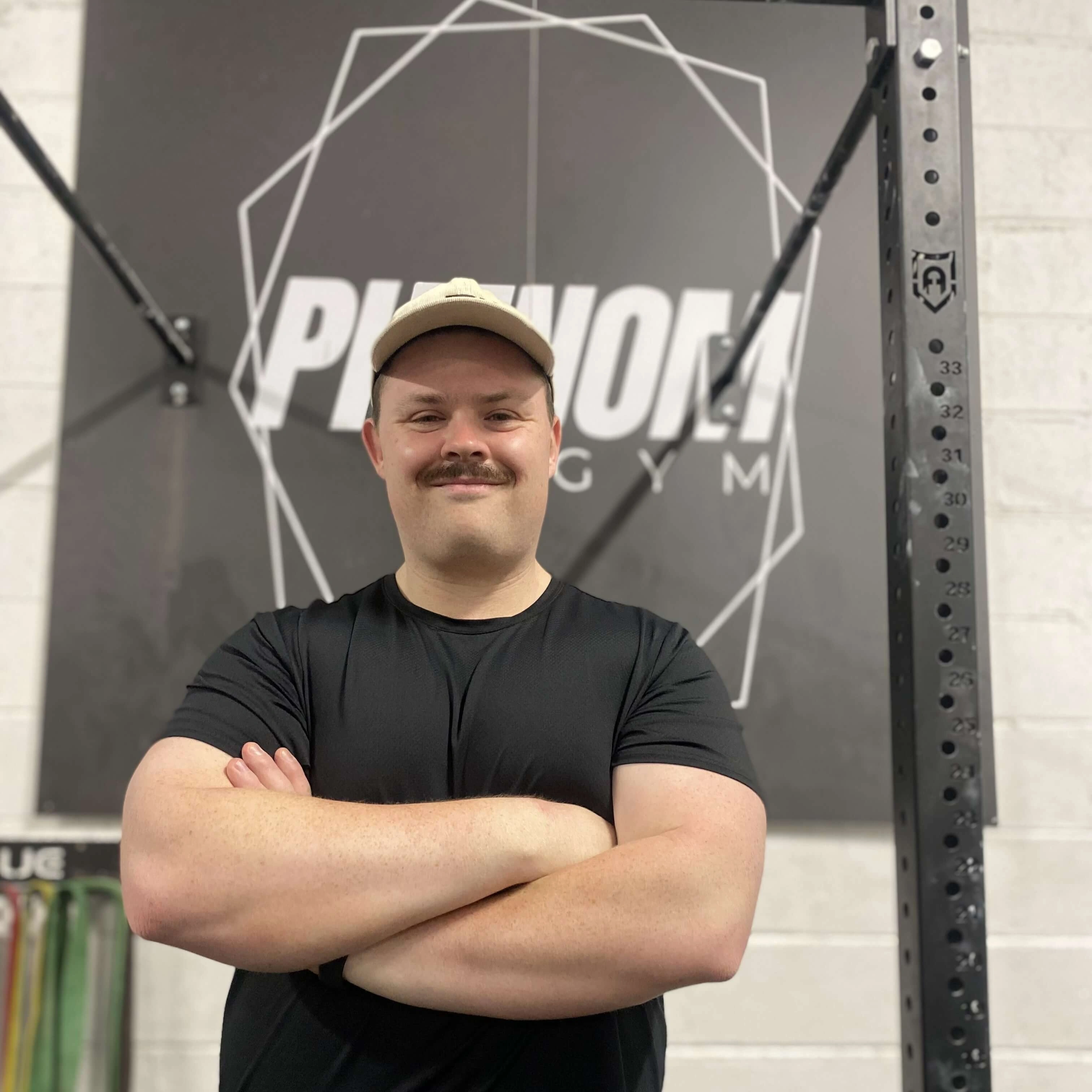
I’m Charlie Johns, a personal trainer based in Cork. A good few of the women I coach are parents who trained before but have let it slide since having kids, usually because nobody gave them a clear, step-by-step way back in. I’m a trainer, not a clinician, so this guide leans heavily on official postnatal guidance and recent research, and I’ll flag clearly where your GP or a women’s health physiotherapist should have the final say.
The short answer
- ✓ Pelvic floor and walking come first. Both can usually start within days of birth, if nothing's been flagged to you.
- ✓ Structured strength training waits for your 6-week check. That's the point most postnatal guidance treats as the green light to progress.
- ✓ Running and impact wait longer, at least 3 months. A specific readiness check, not just a date on the calendar, decides when you're ready.
- ✓ Targeted core work can help diastasis recti, not worsen it. The evidence favours gradual, well-chosen exercise over avoiding your tummy altogether.
- ✓ Doming or bulging during a move is your cue to ease off that exercise and build the basics first, not a reason to stop training entirely.
Why ‘bounce back’ culture gets this wrong
Search “exercise after having a baby” and a lot of what comes back is built around a six-week deadline, as if your body runs on the same clock as a maternity leave form. It doesn’t. Some tissues, like your uterus, are mostly settled by six weeks. Others, like the connective tissue across your abdomen and the muscles supporting your pelvic floor, are still adapting for months afterwards.
This is the same trap a lot of general fitness marketing falls into, chasing a fast result instead of a durable one. The honest version is less exciting: there’s a sensible order to rebuilding strength after having a baby, it takes longer than six weeks, and skipping steps to get there faster usually just means dealing with a niggle, a leak, or a bulging tummy a few months down the line instead. Slow and sequenced beats fast and sore, here more than almost anywhere else in training.
What’s actually changed in your body
Two systems matter most in the months after birth: your pelvic floor and your abdominal wall.
Your pelvic floor is the group of muscles that supports your bladder, bowel and uterus, and pregnancy and birth both ask a lot of it, whether you delivered vaginally or by caesarean. A weakened pelvic floor is why leaking when you cough, jump or laugh is so common after having a baby. It’s common, but it isn’t something you simply have to live with: it usually responds well to the right exercise.
Your abdominal wall can also separate along the midline during pregnancy, a normal and expected stretch called diastasis recti. For many women this narrows on its own over the following months. For others it needs more deliberate work, and in some cases a stubborn gap persists without it. Either way, it isn’t damage, and it isn’t a reason to avoid your core forever.
What the evidence says
The research here is more encouraging, and more specific, than most generic “postpartum workout” content lets on.
A systematic review and meta-analysis published in the British Journal of Sports Medicine in 2025 pooled the available trials on postnatal exercise. Pelvic floor muscle training was linked to 41% lower odds of urinary incontinence, and supervised group training reduced its severity more than an unsupervised home programme did. On diastasis recti, targeted abdominal exercise, especially combined with pelvic floor work, was linked to a smaller gap between the abdominal muscles than no exercise at all. The certainty of the evidence is still low to moderate in most of these findings, and the studies are a mixed bag, but the overall direction is clear: well-chosen exercise helps more than it harms.
Ireland’s HSE frames the early weeks around pelvic floor exercises and posture, done daily, and advises avoiding high-effort activity like running, jumping or lifting heavy weights until your pelvic floor feels stronger if you’re dealing with leaking or a feeling of heaviness. ACOG, the American College of Obstetricians and Gynecologists, takes a similarly encouraging line, recommending a gradual return to activity as soon as it feels physically and medically safe, rather than a fixed waiting period for everyone.
A sensible timeline for getting back into it
A well-known clinical guideline for returning to running after having a baby, written for the professionals who support new mothers back into training, sets out a graded path that works just as well as a general template for getting back into the gym.
| Timeframe | What to focus on | Why |
|---|---|---|
| Weeks 0 to 2 | Pelvic floor exercises and short, easy walks | Rebuilds the foundation everything else depends on. |
| Weeks 2 to 4 | Bodyweight squats, lunges and bridging | Introduces load to your legs and hips without much pressure on your core. |
| Weeks 4 to 6 | Low-impact cardio: a stationary bike or cross-trainer | Builds fitness back without any jarring impact. |
| Weeks 6 to 8 | Light resistance work for your core and lower body | This is usually where your 6-week check gives the go-ahead to progress. |
| Weeks 8 to 12 | Swimming or spinning, plus the readiness checks below | Prepares your body for the impact of running or higher-intensity training. |
| 3 months on | Running and higher-impact training, once ready | The guideline's stated minimum, and only once specific checks are met, not just the date. |
That last step matters more than the calendar date. Before adding running or anything high-impact, you should be able to manage a 30-minute walk, 10 single-leg squats each side, a minute of jogging on the spot and some forward bounds, all without pain, heaviness, dragging or leaking. If any of those bring on symptoms, that’s useful information, not a failure, and it just means a bit more strength and pelvic floor work before trying again.
A gentle starting plan
Once your GP has given you the go-ahead at your postnatal check, here’s a sensible first session. It avoids the moves most likely to cause doming (a raised ridge or bulge down your tummy) while still genuinely building strength.
| Exercise | Sets x reps | Coaching note |
|---|---|---|
| Glute bridge | 2 x 10 to 12 | Squeeze at the top. Builds your hips and lower back without loading your tummy. |
| Bird dog | 2 x 8 each side | Extend opposite arm and leg slowly. Good for core control without pressure. |
| Sit-to-stand from a chair | 2 x 8 to 10 | Builds leg strength you'll use picking up a baby and a car seat all day. |
| Wall or incline push-up | 2 x 8 to 12 | A gentler option than a floor push-up while your core is still rebuilding. |
| Seated row or resistance band row | 2 x 10 to 12 | Helps the rounded, feeding-and-carrying posture most new parents end up with. |
| Dead bug | 2 x 6 each side | Move slowly and stop if your tummy domes. Progress the range as it gets easier. |
Two sessions a week is a fine place to start, alongside the walking and pelvic floor work from earlier in the timeline. If it’s been a long while since you were in a gym, my guide to overcoming gym anxiety as a beginner covers the nerves that come with starting again, and how often you should go to the gym breaks frequency down further once you’re ready to add more.
Checking for doming, and what to do about it
Doming is when your tummy visibly rises into a ridge or cone shape during an exercise, usually a sign that your deep core isn’t yet managing the pressure of that particular move. It’s easy to check for yourself: watch your stomach in a mirror, or feel along the midline with your fingers, while doing a move like a sit-up, plank or heavier lift.
If you see or feel doming, that specific exercise is asking more of your midsection than it’s ready for right now, not a sign that something is permanently wrong. Ease off, choose a gentler variation, such as the ones in the plan above, and build back up gradually. The same goes for any heaviness, dragging or leaking during a move. Your body is giving you useful feedback. Working through it tends to make things take longer to settle, not shorter.
When to see your GP or a women’s health physio first
The timeline above suits most women with an uncomplicated recovery. Speak to your GP or ask for a referral to a women’s health physiotherapist before progressing your training if any of these apply to you:
- → You leak urine, wind or stool, or feel a dragging or bulging sensation, especially during exercise.
- → You notice a visible ridge, gap or bulge down the middle of your tummy that isn't improving, or worsens with activity.
- → You had a caesarean, forceps or vacuum delivery, or any complication during birth or recovery.
- → You have ongoing pelvic, back or hip pain that hasn't settled.
- → You're bleeding again after it had stopped, or notice bleeding that isn't your period.
- → You're simply not sure whether a particular exercise is right for you yet.
None of this rules out strength training. It usually just means a short detour to get properly assessed first, and ideally a coach who’s happy to build your programme around what you’re told.
The bigger picture
Getting back into training after having a baby isn’t about a six-week deadline or “bouncing back” to who you were before. It’s pelvic floor and walking first, simple strength work once you’re checked over, and running or higher-intensity training once specific, sensible checks are met, usually from around 3 months. The evidence backs gradual, well-chosen exercise over sitting it out altogether, for your pelvic floor and your core alike.
If you’d like help building a plan around where you actually are, I’m a personal trainer based in Cork, coaching at Phenom Gym in Ballintemple and Resolution Fitness in Douglas. Most parents in this position do well on a PT membership, which pairs coached sessions with programming that adapts as you go. If you’re outside Cork, online coaching follows the same approach remotely. Not sure what any of this costs, or how to pick the right coach? My guides on what a personal trainer costs in Cork and how to choose one will help you compare, and how long it takes to see results from personal training sets realistic expectations for the first few months back.
When you’re ready, book your free 60-minute personal training session and consultation. We’ll talk through your birth, your recovery and anything your GP or physio has flagged, and work out a sensible place to start. No pressure, no sales pitch.
Frequently asked questions
When can I start strength training after having a baby?
Walking and gentle pelvic floor exercises can usually start within the first few days, if your GP or midwife hasn't told you otherwise. For structured strength training, most postnatal guidance, including Ireland's HSE, points to waiting until after your 6-week postnatal check, and a well-known guideline for returning to running recommends a minimum of 3 months before anything high-impact. Build up in that order: pelvic floor and walking first, then simple strength work, then higher-impact training once you've been checked over.
Is it safe to do core exercises with diastasis recti?
Often yes, done the right way. A 2025 systematic review and meta-analysis in the British Journal of Sports Medicine found that targeted abdominal exercise, especially combined with pelvic floor training, was linked to a smaller gap between the abdominal muscles than no exercise at all. The evidence is still fairly low quality, so build up gradually, avoid moves that make your tummy visibly dome or bulge, and get checked by a women's health physiotherapist if you're not sure.
Does exercise make diastasis recti worse?
There's no good evidence that sensible, progressive exercise makes it worse, and some evidence it helps close the gap. What tends to cause problems is doing too much too soon, particularly moves that put a lot of pressure on a tummy that isn't ready for it, like full sit-ups or heavy lifting with poor bracing. If you see your stomach dome, bulge or cone when you move, that's your cue to ease off that exercise and build the basics first.
How do I know if I have diastasis recti?
The classic sign is a visible ridge, gap or bulge down the middle of your tummy, especially when you lift your head and shoulders off the ground or get out of bed. Many women have some degree of separation in the weeks after birth, and it often improves on its own over the following months. A GP or women's health physiotherapist can check it properly and tell you what, if anything, needs adjusting in your training.
When can I return to running after having a baby?
A widely used clinical guideline recommends not running before 3 months postnatal, and only once you can manage things like a 30-minute walk, single-leg balance, and a minute of jogging on the spot without pain, heaviness, dragging or leaking. Building pelvic floor and leg strength in the weeks beforehand makes that return far more comfortable.
Can a personal trainer help with postnatal training?
Yes. A trainer can teach safe technique, adapt exercises around your recovery and build a programme that progresses sensibly. A trainer isn't a clinician, though, so get your GP's sign-off at your postnatal check first, and see a women's health physiotherapist if you have ongoing symptoms like leaking, heaviness or visible doming. Share what they tell you with your coach so your training reflects it.